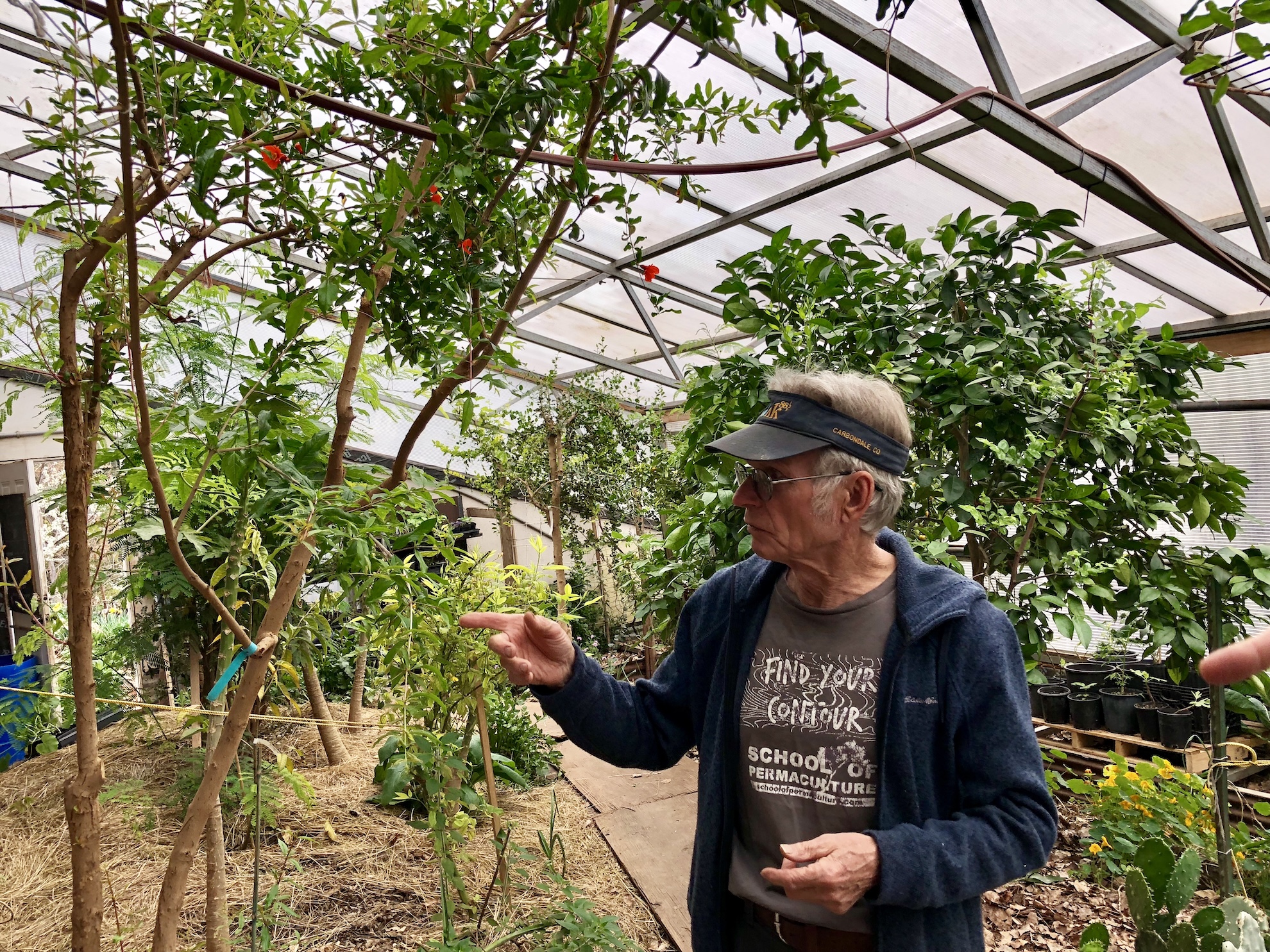
Featuring Jerome Osentowski, Founder and Director of Central Rocky Mountain Permaculture Institute, and Chef C. Barclay Dodge, Owner of Bosq Aspen
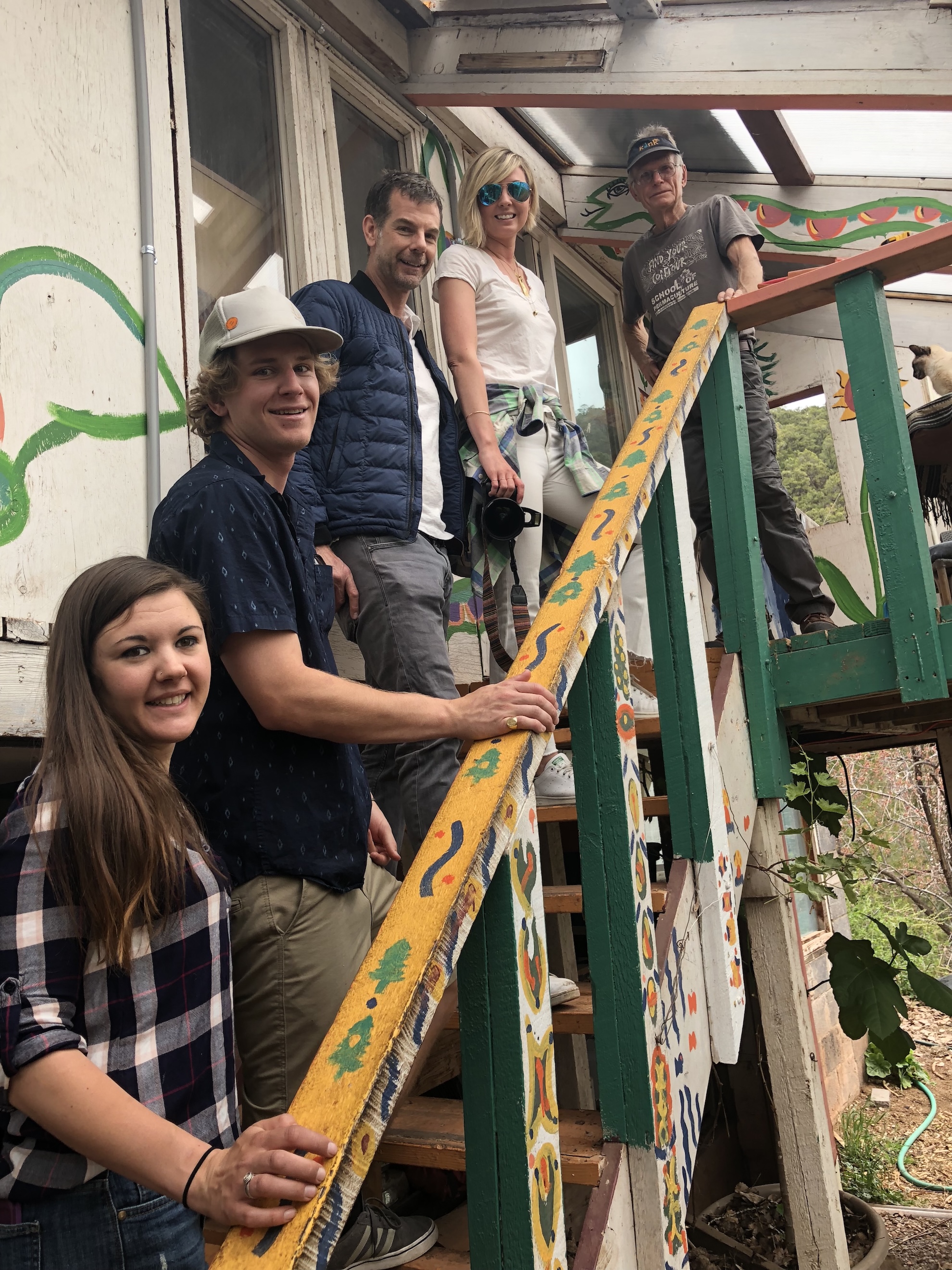
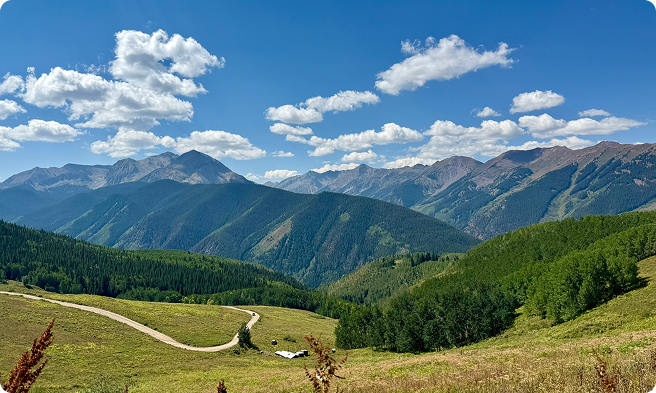
The institute is located up two miles of narrow road and as I drove up I was thinking about what a beautiful thing it was that my life has taken me to a place where not only am I personally getting to know locals of whom I have always admired, but I am able to share their messages and connect them with others through my media platforms. For over twenty years I had wanted to meet the legendary man growing food up in the Basalt mountains, and not only did he speak at my last event at Aspen Kitchen, but here I was driving up for a tour with he and one of my favorite Chefs, a tour that was a direct result of their connecting at the last event.
As I drove up the two miles of narrow road towards the institute, I thought about what a beautiful thing it was that my life took me on such cool journeys right in our valley. Not only do I personally get to know the most fascinating locals, but I am also able to share their messages and connect them with others, like Chef Barclay. There is something quietly extraordinary about watching two people meet in a room and then find them like 10 years later, still working together, in this case, a legendary permaculture farmer and a Michelin-starred chef, each finding in the other exactly what they didn't know they were looking for. When I brought them together back in 2018, I never could have imagined that it would grow into such a long-standing relationship, or that Jerome's mountain garden would go on to have such a lasting influence on the food and philosophy of Bosq Aspen. For over twenty years I have wanted to meet the legendary man growing food up in the Basalt mountains, and not only did he speak at my last event at Aspen Kitchen, but here I was driving up for a tour with he and one of my favorite Chefs, a tour that was a direct result of their connecting at the last event.
Jerome Osentowski is a master of simple, elegantly frugal, eminently practical indoor gardens that can grow lots of almost anything almost anywhere by not treating soil like dirt. His recipe for rich sheet-mulched soil has so far produced 58 passive-solar banana crops (and over 100 kinds of higher plants including Bornean tropicals). Now The Forest Garden Greenhouse lucidly shares Jerome's deep, versatile, and ever-evolving experience. Read, learn, apply, improve, spread, enjoy! — Amory B. Lovins, cofounder and chief scientist, Rocky Mountain Institute
I was late, as usual, and I ran up to join them in the greenhouse. Upon arrivalI was given a leaf picked from a plant in the garden whose name I had never heard of before. Popping it into my mouth the spicy flavors came alive on my tongue, turning it instanteneously numb. Not only was I late but I panicked that I might become a bother and need an epi pen. Thankfully, the attention was not on me and eventually the sensation wore off, leaving a deliciously sweet aftertaste. I bravely followed1980 Chef Dodge in biting into and crunching on everything pulled out of the ground and plucked off the branch, even after Molly, Chef Dodge's beautiful wife, informed us that during a Sustainable Settings tour, Barclay was high from tasting everything. I was ready and willing to go there. Just as having Chad Cox, a Sommelier at The Little Nell Hotel, enhance our experience on a Paonia Food and Wine tour, exploring Osentowski's gardens with Chef Dodge enhanced my experience tenfold as he asked questions I would never have thought of, and spoke of which plants would complement what foods. As Guest Chef for an upcoming Free Range dinner on May 15th, he was in search of the freshest local ingredients from Colorado farms and ranches to add to the three-course seasonal dinner.
Osentowski got started back in the 80s when he got Hyperglycemia from stress. Rather than head towards the insulin needle, he started curing himself by foraging for wild foods and eating a macro diet (Macros refer to the three macronutrients that make up the foods we eat: protein, carbohydrates, and fat). On the tour, he spoke of thermal mass, nitrogen-fixing plants, agroforestry, and alley cropping, as methods of sustainable agriculture. Alley Cropping can diversify farm income, improve crop production and provide protection and conservation benefits to crops. I learned the difference between biodynamic and permaculture, how to use Pomegranate, Glycine, and viral wild soybean to create shade, and how to farm worms and make soil from their castings.
Living in a cold climate, Osentowski and his business partner and co-author of The Forest Garden Greenhouse, Michael Thompson, grow almost everything under the sun up there in the greenhouses, including but by no means limited to; annual vegetables, Jujube, Chinese Dates, Red Lady Papaya, cactus, mandarin, kumquats, grapes, garlic, ginger, goji berries, and mulberries. They have also been instrumental in identifying, conserving, and propagating heritage fruit trees that have survived and borne crops for over a century in the harsh environment of the Roaring Fork Valley. He is now prepping his facility so that he may turn it over to the next generation of farmers.
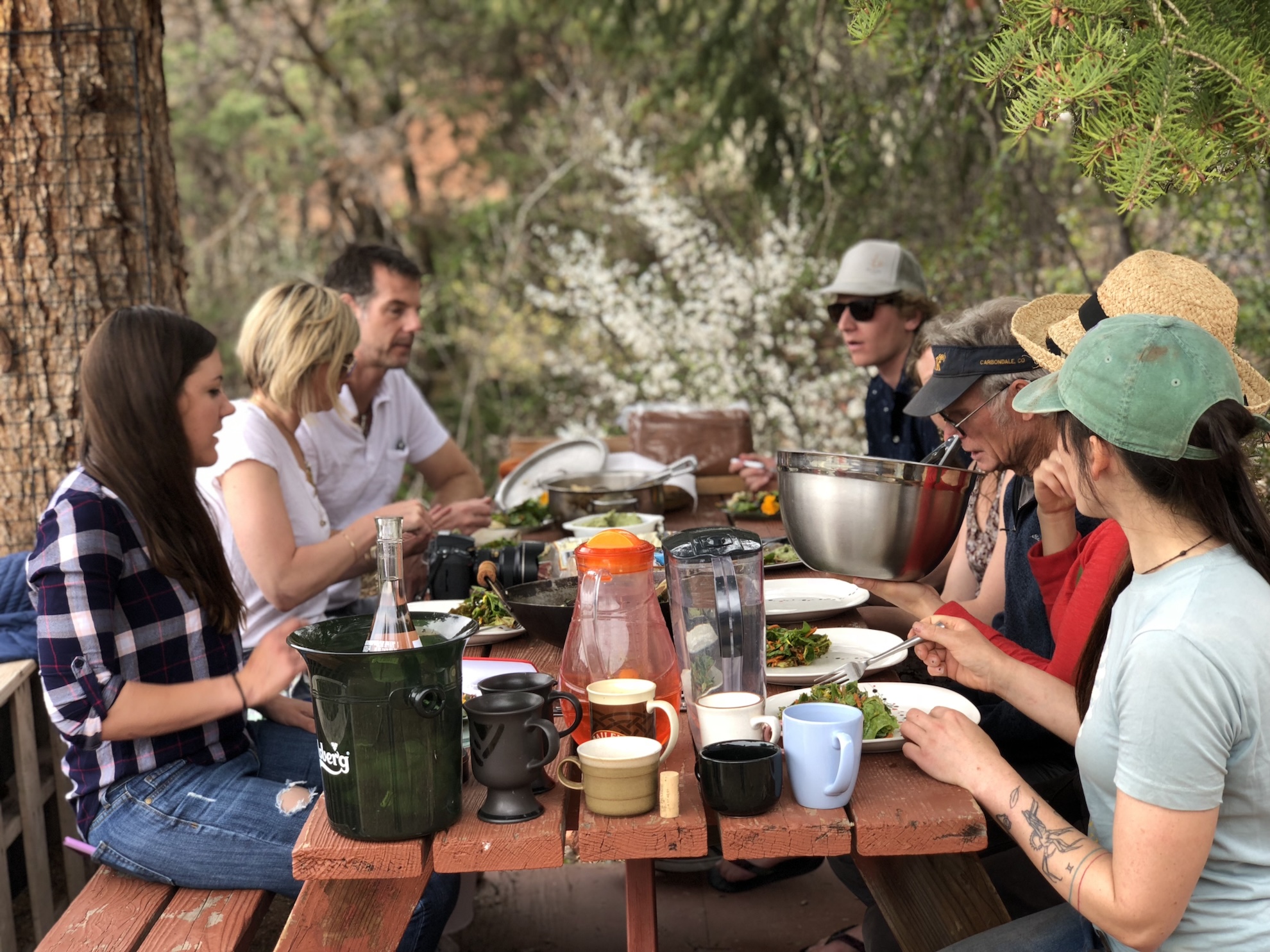
Sitting down in the sweet springtime Colorado air for the farm to table lunch, I was further impressed by the conversation that included both Osentowski and Chef Dodge's staff; Callie Maron, programs director; Vanessa Harmony, Nursery Manager; Jen Ghigiarelli, edible landscaping apprentice; Nick Anderson, Bosq Line Cook, and Rachel Koppelman, Bosq Sous Chef, all well versed in permaculture, and all speaking a language that I was just breaking the surface of. As we tasted the flavors of the gardens with fresh salad greens with Nasturtium, roasted vegetables and kale and sprouted brown rice, I decided I was going to do what I have been wanting to do for a while and really delve into cooking plant-based food for me and my family. AND I am not going to buy milk anymore, regardless of how much they all complain.
After about four hours, there was still so much more to explore, but kids and work were calling. Passing the soothingly soft clucking of the chickens and the furry black rabbit nibbling on grass, I thought of Nick Anderson being immediately transported back to a time and place after tasting something from the garden, and I felt inspired to bring that to my children, soon spreading their wings to new lands, so that they will be transported back to me at any given bite.
Update: What Jerome Is Up to Now
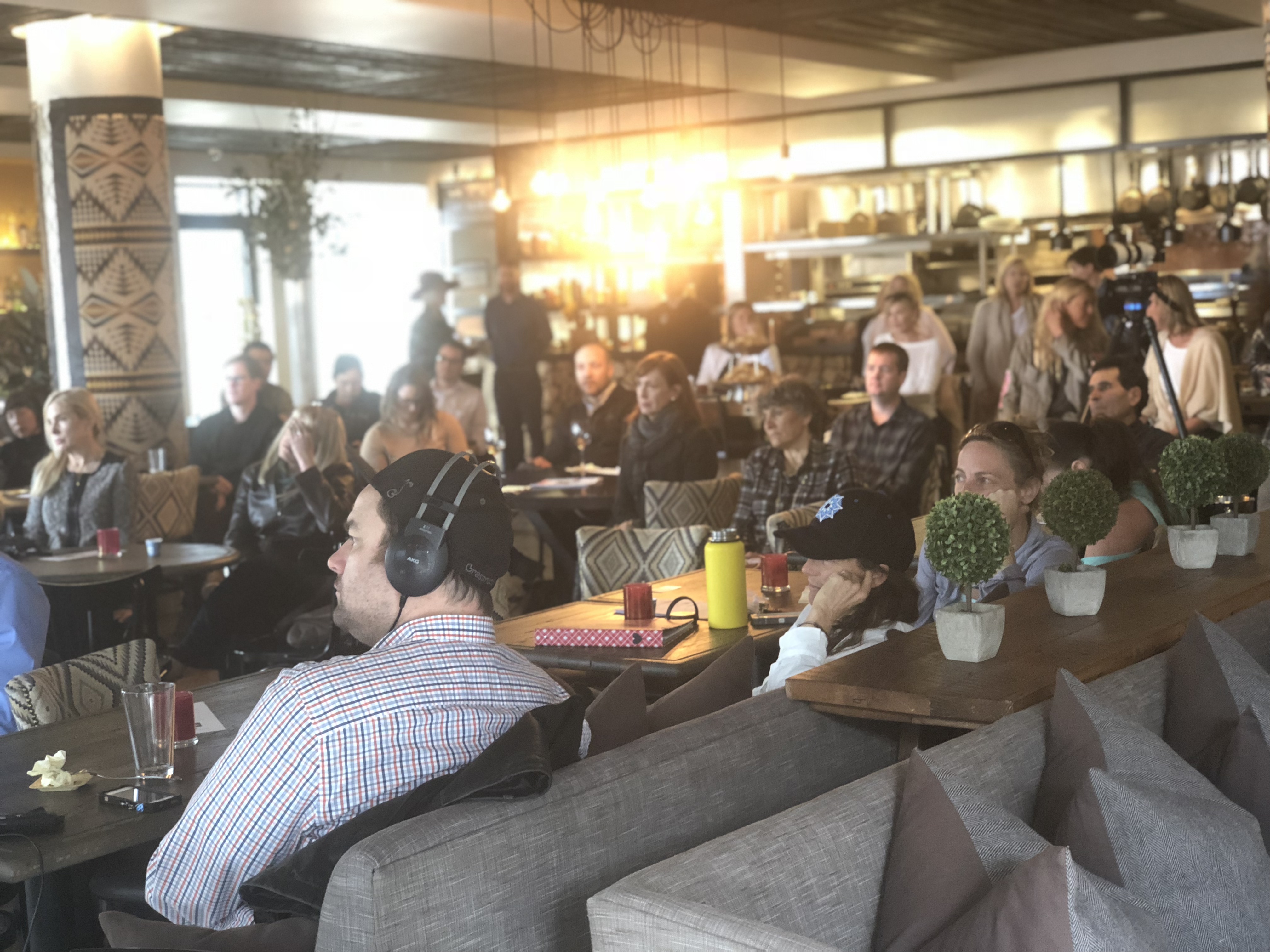
Since I first visited Jerome on Basalt Mountain, quite a lot has happened: I invited Jerome to speak at a sold out Aspen Business Connect panel discussion alongside Eden Vardy of the Farm Collaborative and Brook LeVan of Sustainable Settings, and in 2018, a neighbor filed a complaint with Eagle County, setting off a years-long permitting battle that threatened the future of CRMPI. Because the institute hosts students and volunteers in a residentially zoned area, Eagle County told Jerome he needed a special-use permit to continue operating. What followed was a saga involving planning commissions, public hearings, more than 100 letters of community support, and a packed courthouse in El Jebel where locals, former mayors, and permaculture advocates from across the valley showed up to defend the place. The planning and zoning commission initially denied the application 4-1. The Eagle County commissioners were ultimately prepared to approve it with 18 conditions — but Jerome, being Jerome, held firm on one point: he refused to let the permit be tied solely to his ownership. "Part of permaculture is being able to turn this over to the next generation," he told them. The vote was tabled.
In the end, Colorado's right-to-farm laws have kept CRMPI open and operating. Jerome described it to 5280 Magazine as a kind of ark — "Noah just had two of everything. We have 10 of everything." After 38 years, the food forest on Basalt Mountain remains one of the most biodiverse edible landscapes in all of Colorado.
What's changed most is how deliberately Jerome is now building toward succession. He's launched the Right Livelihood Program, which invites individuals and couples to step into CRMPI's existing infrastructure and build an actual agricultural livelihood there — with housing, land, tools, insurance, facilities, and the network Jerome has spent nearly four decades cultivating. He's looking for herbalists, nursery and forest gardeners, annual production gardeners, mushroom cultivators, seed savers, woodworkers, and anyone else with an agricultural vision willing to put roots down in the Roaring Fork Valley. It's permaculture philosophy made literal: design a system so resilient it doesn't depend on any one person, even its founder.
CRMPI continues to offer its Permaculture Academy, Permaculture Practicum, and hands-on workshops, as well as consulting, farm tours, and volunteer and intern opportunities. Jerome is still there, still teaching, still tasting things off the vine and expecting you to do the same.
If you've ever wanted to visit the mountain, now is the time. You can reach Jerome directly at jerome@crmpi.org or learn more at crmpi.org. Tell him I sent you.