Hiking from Aspen to Crested Butte: Colorado's Most Iconic Day Hike
There are hikes, and then there is the iconic journey from Aspen to Crested Butte.
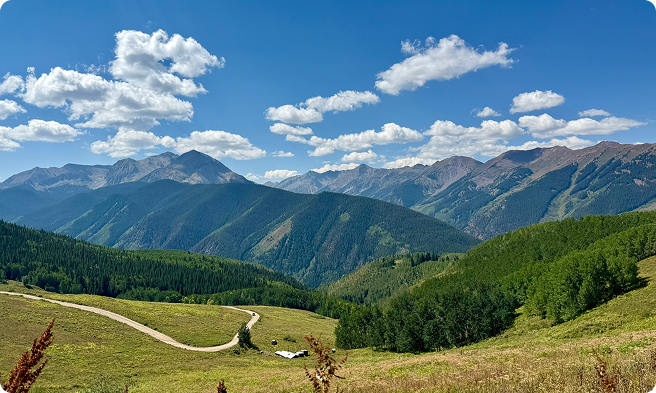
For generations, crossing West Maroon Pass has been considered one of Colorado's most spectacular day hikes, carrying adventurers through fields of wildflowers, alpine meadows, rushing streams, and some of the most dramatic mountain scenery in the Rockies. It's the kind of trail that reminds you how vast, beautiful, and humbling these mountains truly are.
Whether you're tackling it for the first time or returning because it has become a summer tradition, the hike from Aspen to Crested Butte isn't about how quickly you get there. It's about slowing down long enough to absorb the magic around you.
Two Mountain Towns, Eleven Miles Apart
By car, Aspen and Crested Butte sit nearly 100 miles apart. On foot, they're connected by a stunning high-alpine route that traverses West Maroon Pass at approximately 12,500 feet.
The hike begins at Maroon Lake near the iconic Maroon Bells and finishes at the West Maroon Trailhead outside Crested Butte. Depending on your pace and how many photo stops you make—which will be many—expect the hike to take between 6 and 8 hours.
What Makes This Hike So Special?
Simply put, it's one of the most beautiful hikes in North America.
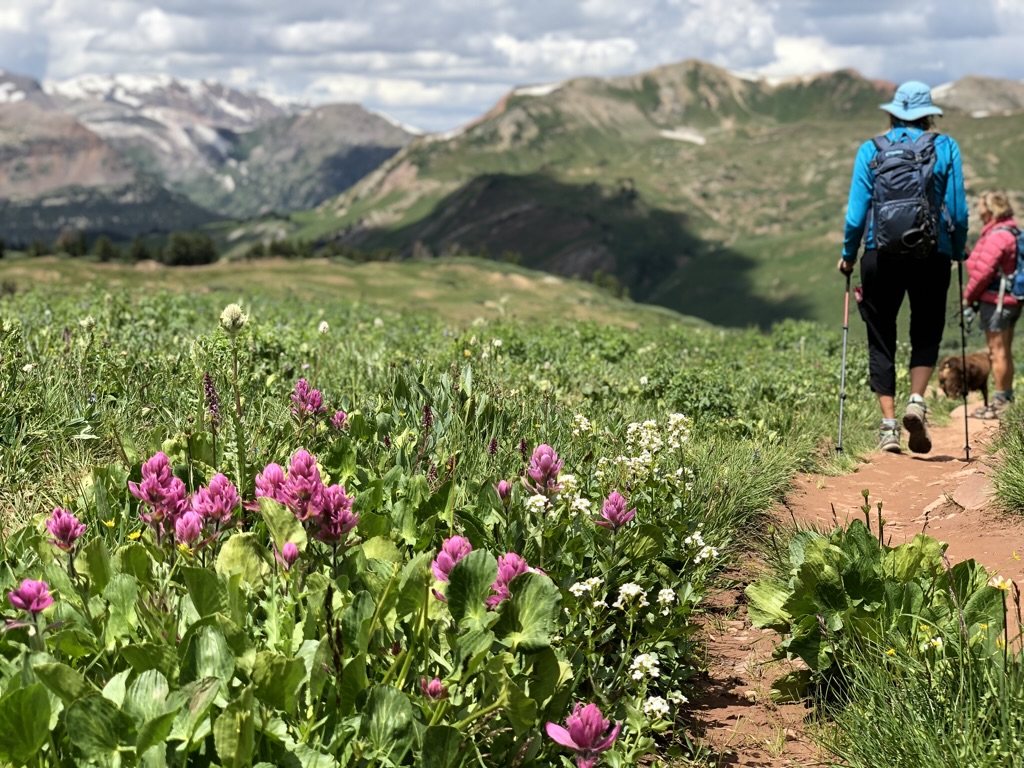
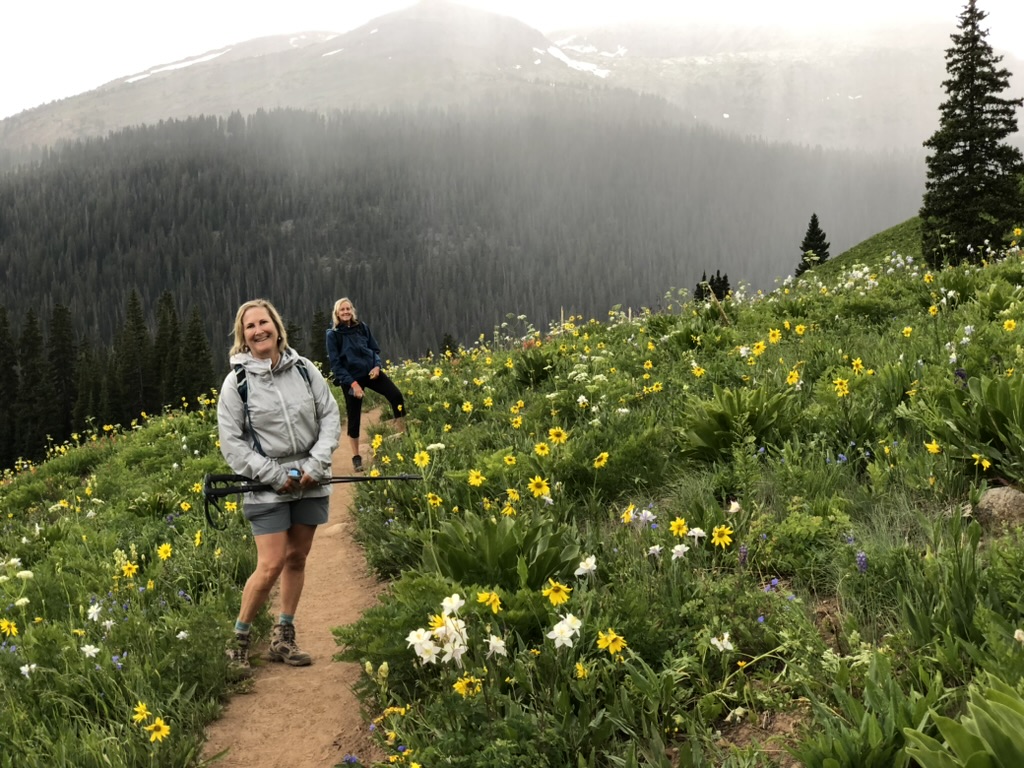
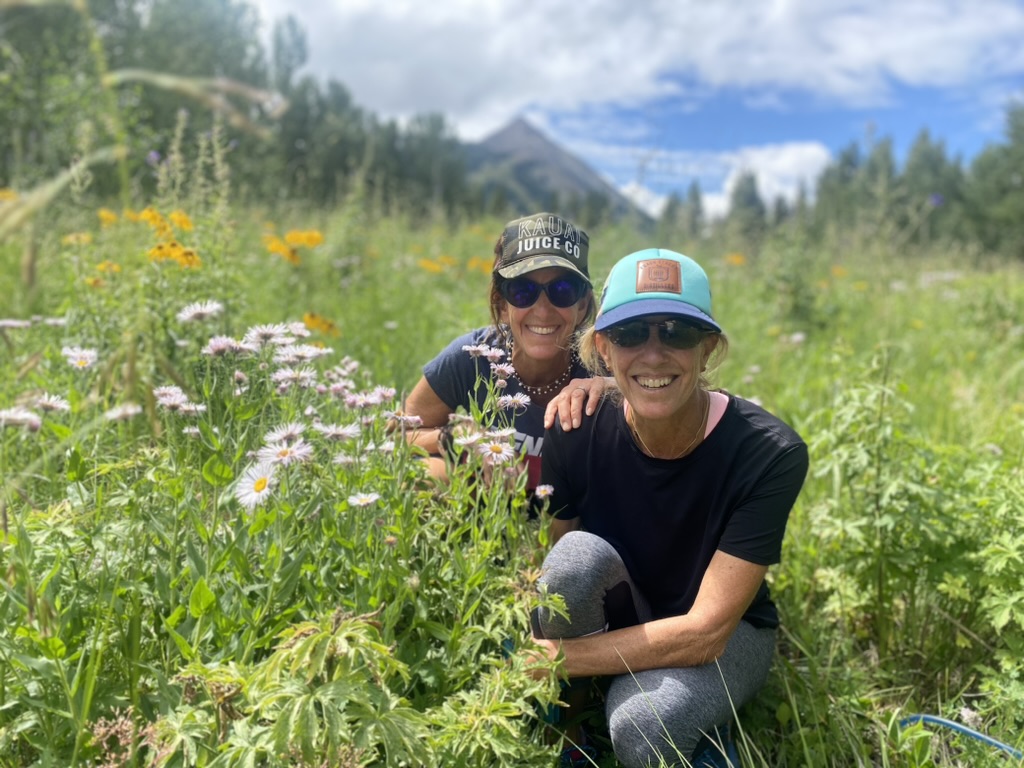
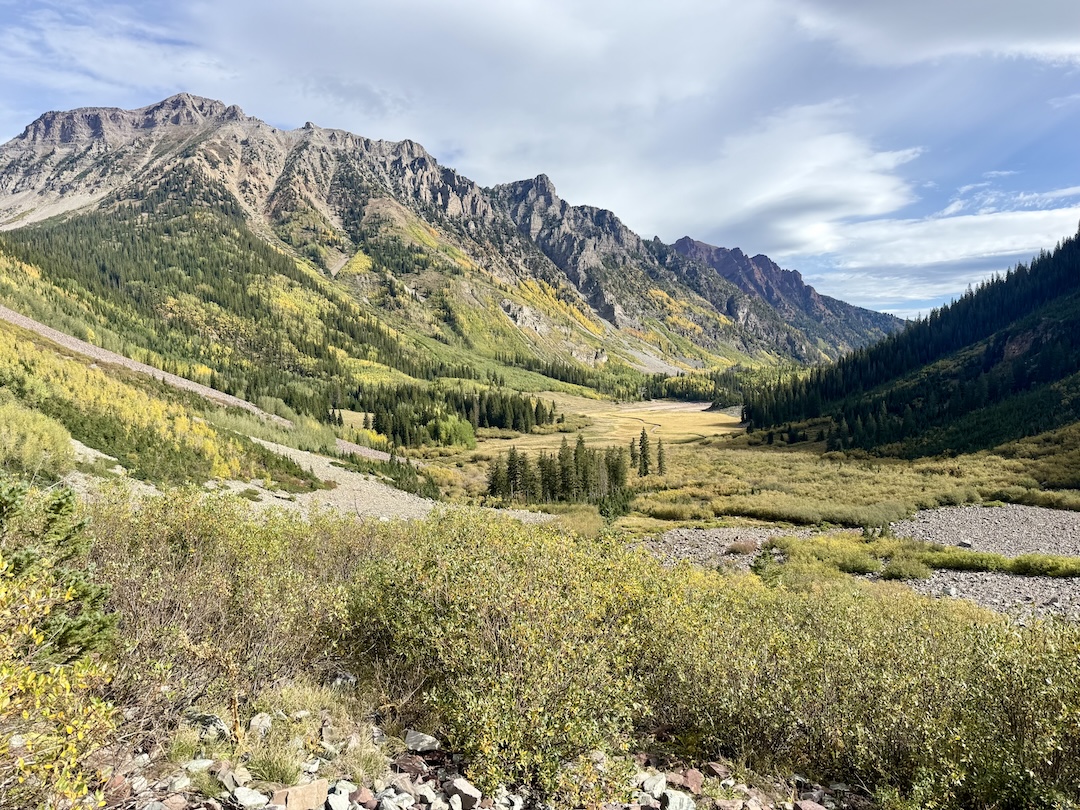
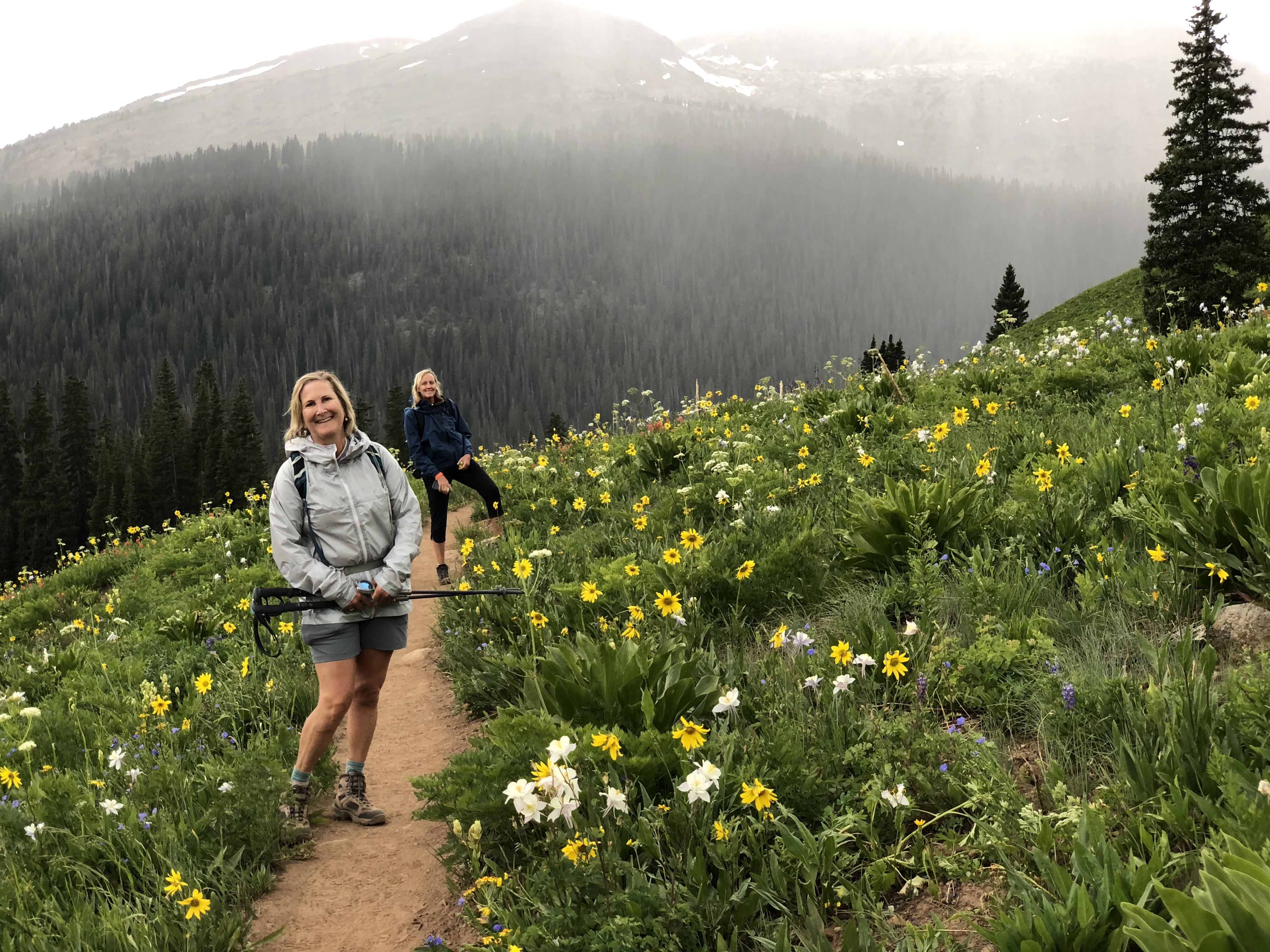
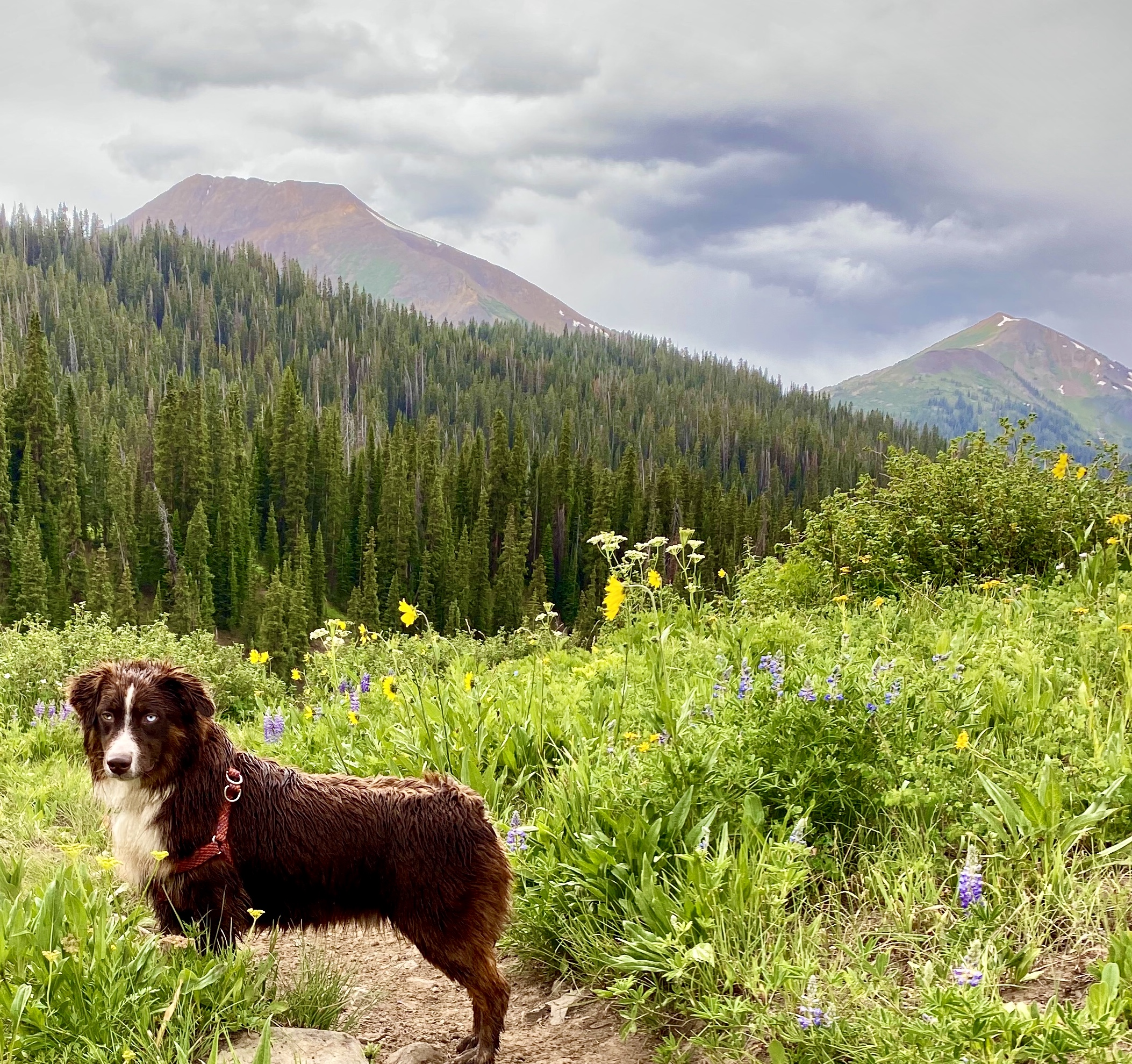
The trail climbs steadily through aspen groves and wildflower-filled meadows before ascending toward West Maroon Pass. Along the way you'll pass waterfalls, creeks, fields of columbine, paintbrush, lupine, and the jagged red peaks that make the Elk Mountains so distinctive.
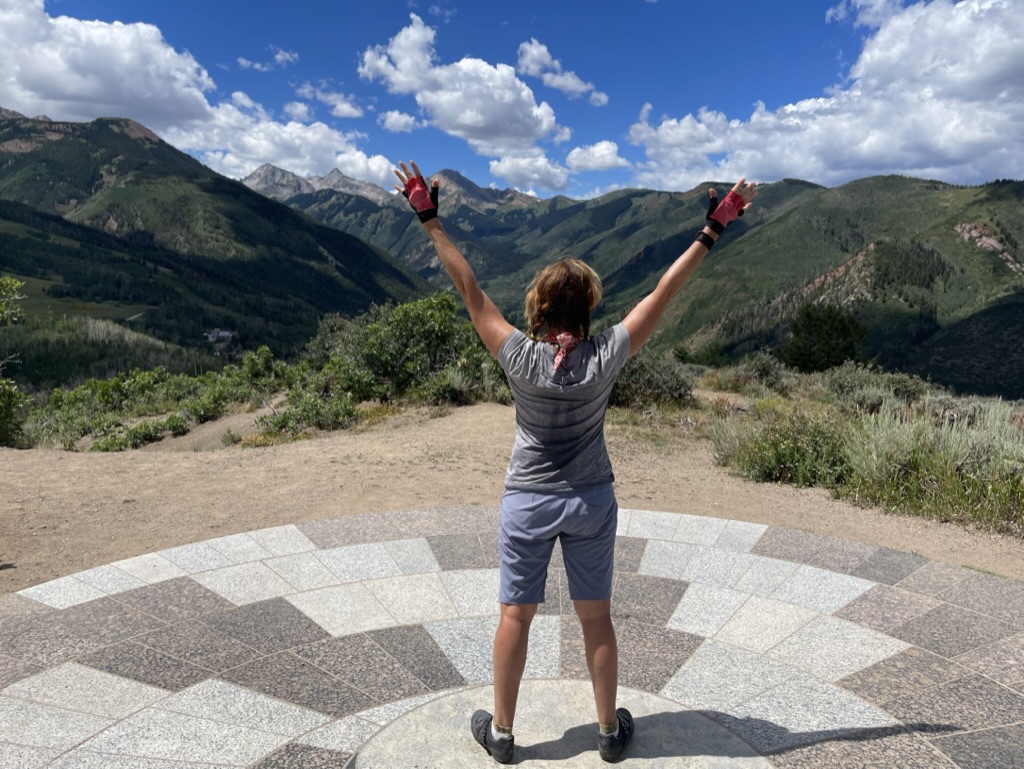
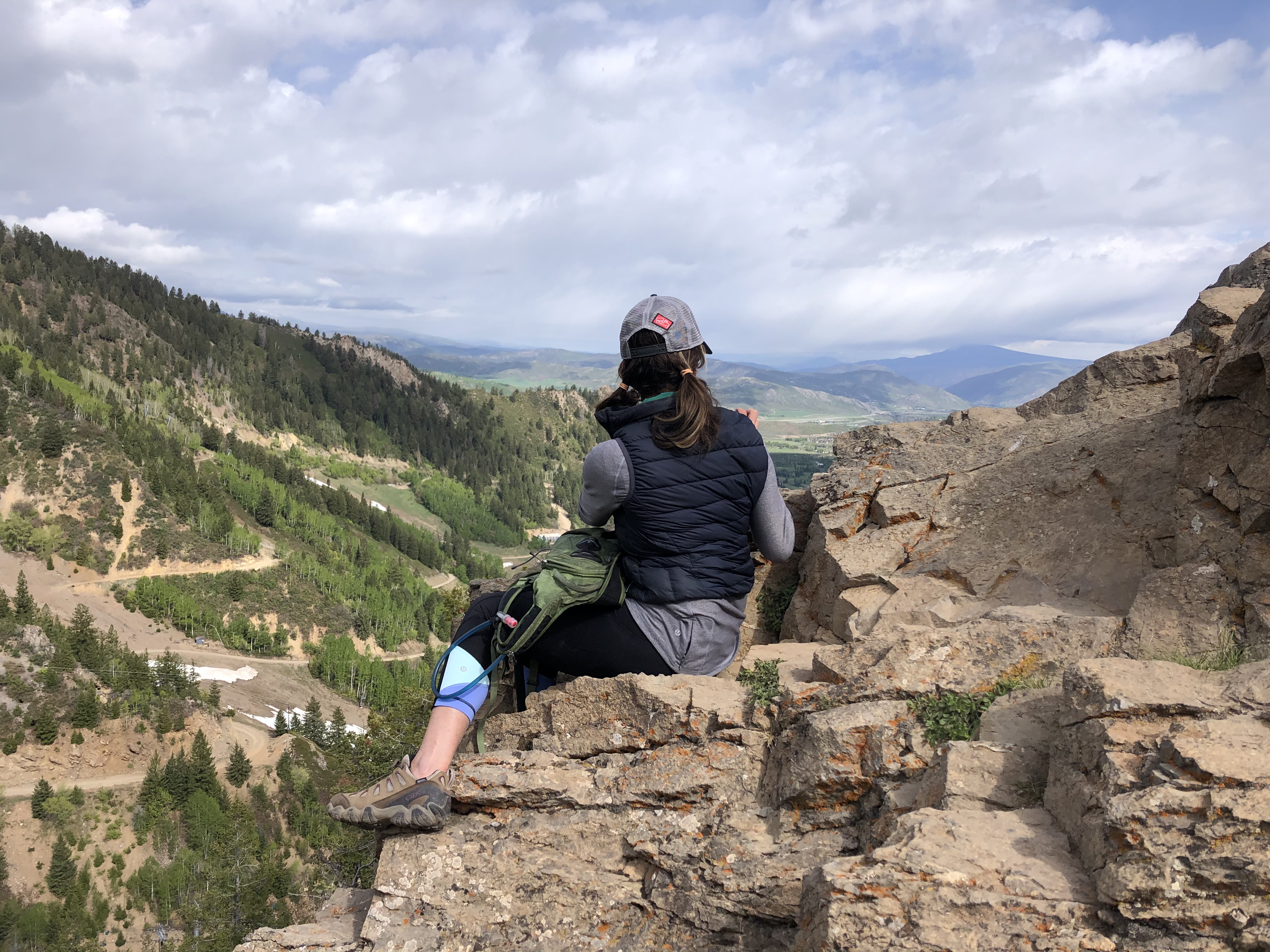
Once you crest the pass, the view opens dramatically toward the Gunnison Valley and Crested Butte beyond. Most hikers stop here for a snack, photos, and a moment of gratitude before beginning the descent.
The journey offers everything that makes Colorado extraordinary in a single day.
How Difficult Is It?
While technically straightforward, this is not a casual stroll.
Distance
Approximately 11 miles one way.
Elevation Gain
About 2,400 feet of climbing.
Highest Point
West Maroon Pass at roughly 12,500 feet.
Difficulty
Moderate to difficult due to altitude, distance, and rocky terrain.
The Aspen side tends to be a gradual climb, while sections of the Crested Butte side can be rocky, muddy, and hard on the knees during the descent.
Start Early
If there's one piece of advice every local will give you, it's this:
Start early.
Afternoon thunderstorms are common throughout the summer and can develop quickly above treeline. Lightning is no joke in the Rockies.
Most experienced hikers aim to be on the trail no later than 7:00 a.m. and preferably earlier.
An early start also means cooler temperatures, softer light for photography, and a much more peaceful experience before the crowds arrive.
Getting to the Trailhead
The hike begins at Maroon Lake within the Maroon Bells-Snowmass Wilderness Area.
During summer, vehicle access is restricted between 8:00 a.m. and 5:00 p.m., so you'll either need to arrive very early or reserve transportation through the Maroon Bells shuttle system.
Many hikers choose to leave a vehicle in Crested Butte and shuttle back afterward, while others arrange transportation in advance.
Getting Back from Crested Butte
One thing first-time hikers often overlook is that the trail doesn't end in downtown Crested Butte.
You'll finish at the West Maroon Trailhead, which is still approximately 20 to 30 minutes from town.
Several local shuttle companies, including Alpine Express and Dolly's Mountain Shuttle, offer transportation from the trailhead into Crested Butte and back to Aspen if needed.
Many hikers make a celebration out of it—grabbing a burger, beer, and a well-earned seat in Crested Butte before heading home.
What to Pack
Weather changes quickly in the Elk Mountains, even in midsummer.
Bring:
- Plenty of water (at least 2–3 liters)
- Water filter or purification method
- Rain jacket
- Warm layer or fleece
- Hat and sunglasses
- Sunscreen
- Trail snacks and lunch
- Hiking poles (highly recommended)
- Blister kit
- Map or downloaded trail app
- Phone battery pack
Remember that temperatures can be warm at the trailhead and near freezing at the pass on the same day.
Best Time to Go
The classic hiking season typically runs from late June through September.
July
Peak wildflower season.
August
Lush meadows and generally stable conditions.
September
Golden aspens begin appearing and crowds thin dramatically.
Many locals consider late July through early September to be the sweet spot.
Leave No Trace
This trail passes through one of Colorado's most beloved wilderness areas.
Stay on the trail, pack out everything you bring in, respect wildlife, and leave the landscape exactly as you found it.
The beauty of this hike exists because generations before us cared enough to protect it.
More Than a Hike
What makes the Aspen-to-Crested Butte hike so memorable isn't simply the scenery.
It's the feeling of traveling through the mountains the way people once did—under your own power, crossing a high pass that connects two communities separated by miles of wilderness.
It's sharing trail snacks with strangers. Watching clouds drift across the Elk Mountains. Standing on top of West Maroon Pass and feeling very small in the best possible way.
And when you finally arrive in Crested Butte, dusty and tired, you'll understand why so many people return year after year.
Some hikes are workouts.
This one is an experience.